Dec 1, 2025
The rise of sustainable luxury home construction
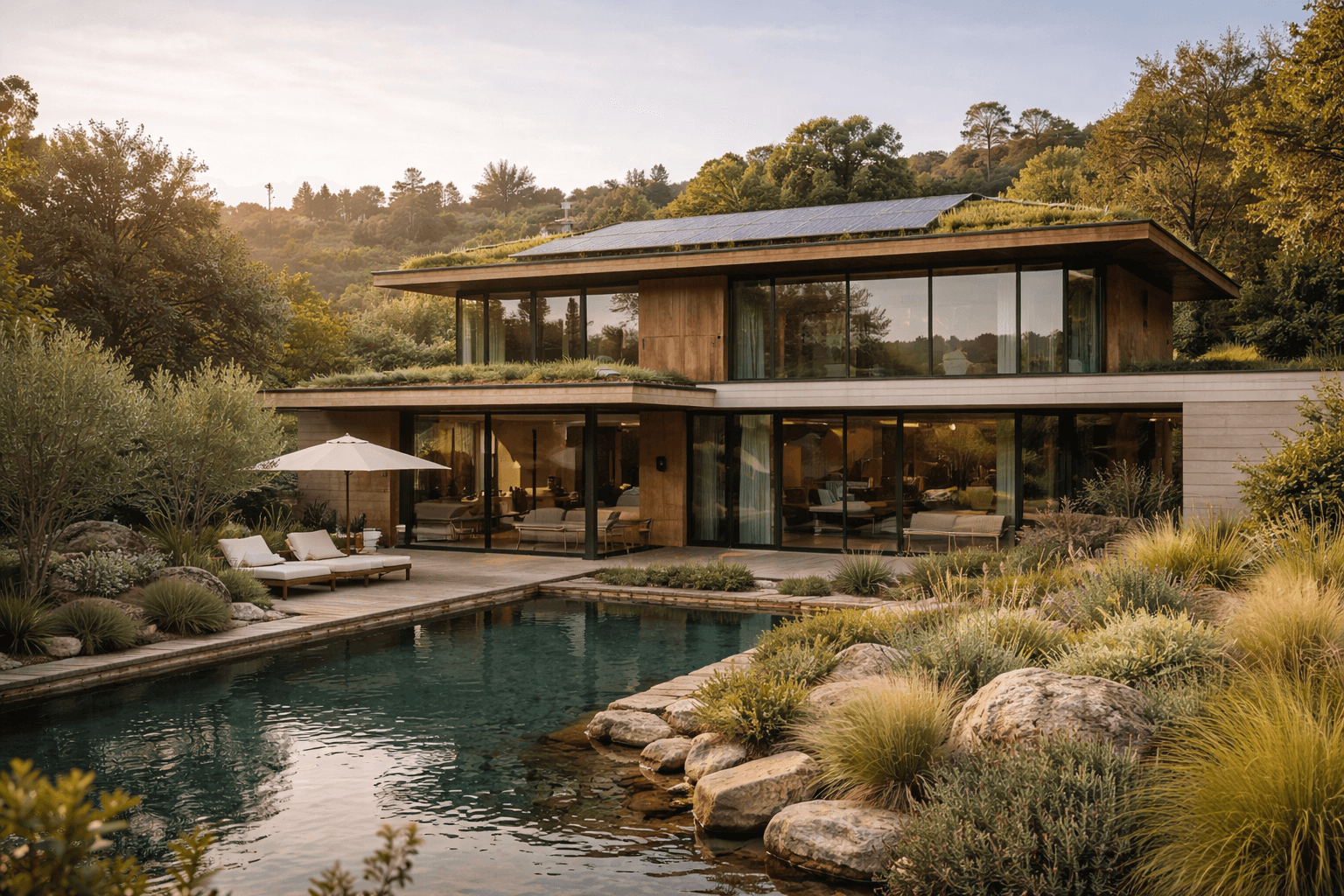
Sustainability has evolved from a niche concern to a mainstream priority in luxury home construction. Today's discerning buyers increasingly demand homes that combine opulence with environmental responsibility, driving a fundamental shift in how premium properties are designed and built.
This transformation reflects changing values among affluent buyers. Where previous generations might have viewed sustainability as incompatible with luxury, today's high-net-worth individuals recognize that true luxury includes environmental stewardship. They understand that the most exclusive homes are those that tread lightly on the planet while providing exceptional comfort and beauty.
Sustainable luxury construction begins with site selection and orientation. Forward-thinking developers carefully analyze sun angles, prevailing winds, and natural landscape features to minimize environmental impact while maximizing energy efficiency. Strategic building placement reduces heating and cooling loads, while preserving mature trees and natural drainage patterns maintains ecosystem health.
Material selection represents another crucial sustainability dimension. Luxury sustainable homes increasingly feature reclaimed wood, recycled metal, and locally sourced stone, reducing transportation emissions while supporting regional economies. These materials often possess unique character that mass-produced alternatives cannot match, appealing to buyers seeking distinctive homes with compelling stories.
Energy systems in sustainable luxury homes have advanced dramatically. Solar arrays now integrate seamlessly into architectural designs rather than appearing as afterthoughts. Geothermal heating and cooling systems provide climate control without visual impact. Battery storage systems ensure energy independence while protecting against grid disruptions. These technologies transform homes from energy consumers into energy producers, often generating surplus power that flows back to the grid.
Water management in sustainable luxury construction extends beyond low-flow fixtures. Greywater systems recycle water from sinks and showers for landscape irrigation. Rainwater harvesting captures precipitation for non-potable uses. Drought-tolerant native landscaping reduces irrigation demands while supporting local wildlife. These systems dramatically reduce water consumption, a critical consideration in water-scarce regions.
Indoor environmental quality receives extraordinary attention in sustainable luxury homes. Advanced air filtration systems remove pollutants, allergens, and pathogens, creating healthier living environments. Low-VOC paints, finishes, and materials eliminate off-gassing that compromises air quality. Strategic window placement and operable skylights provide natural ventilation, reducing mechanical system reliance while connecting occupants with the outdoors.
Smart home technology plays an increasingly central role in sustainable luxury. Integrated systems monitor and optimize energy use, adjusting heating, cooling, and lighting based on occupancy and preferences. These systems learn from resident patterns, becoming more efficient over time. Remote monitoring allows homeowners to track resource consumption and identify optimization opportunities.
Certification programs like LEED and Passive House provide frameworks for sustainable construction, though many luxury sustainable homes exceed these standards. Builders pursuing these certifications benefit from rigorous third-party verification, while buyers gain confidence that sustainability claims reflect measurable performance rather than marketing rhetoric.
The financial case for sustainable luxury construction strengthens continually. While initial costs typically exceed conventional construction, operational savings accumulate over decades. Lower utility costs, reduced maintenance requirements, and longer material lifespans deliver compelling returns. Additionally, sustainable homes often command price premiums and sell faster than conventional alternatives, reflecting growing buyer preferences.
Beyond financial returns, sustainable luxury homes offer intangible benefits that resonate deeply with values-driven buyers. They provide peace of mind that comes from knowing one's shelter doesn't compromise future generations' wellbeing. They demonstrate that luxury and responsibility can coexist beautifully. They represent a vision of the future where human comfort and environmental health advance together.
The rise of sustainable luxury construction reflects a maturing understanding of what luxury truly means. It's no longer enough for a home to be beautiful, spacious, or well-appointed. Today's luxury homes must also be responsible, efficient, and forward-thinking. This evolution benefits everyone, creating homes that honor both their occupants and the planet they inhabit.
https://buy.browser.supply/meraas