Jan 20, 2026
Smart home technology trends buyers are seeking
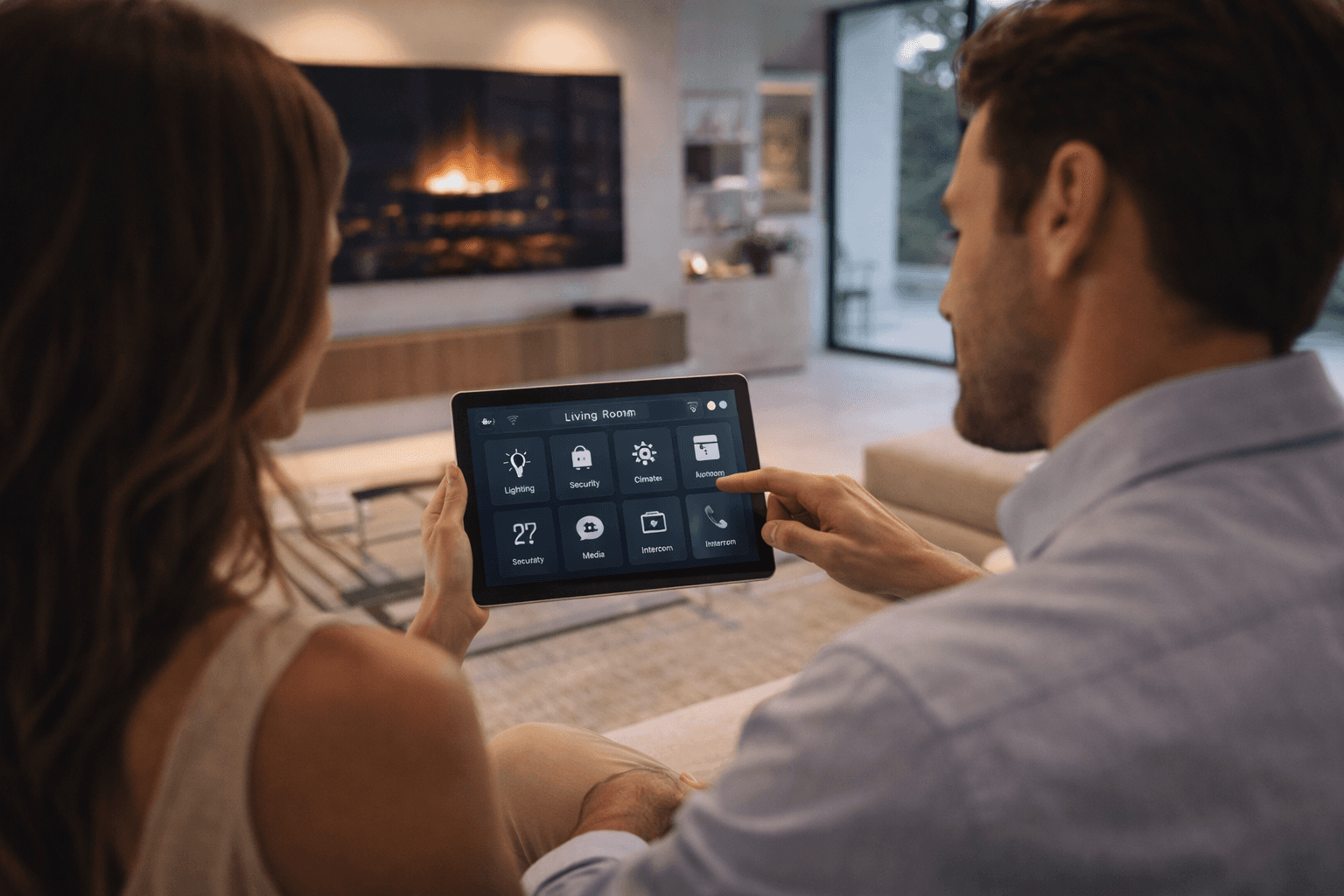
Smart home technology has evolved from novelty to necessity in luxury real estate. Today's discerning buyers expect sophisticated integrated systems that enhance comfort, security, and efficiency while remaining intuitive and reliable. Understanding current technology trends helps sellers position properties competitively and buyers make informed decisions.
Integrated home automation systems form the foundation of modern smart homes. Rather than disconnected devices requiring separate apps and interfaces, today's systems unite lighting, climate, security, entertainment, and appliances under unified control. Voice commands, smartphone apps, or touchscreen panels provide seamless operation, while automation routines adjust settings based on time, occupancy, or user preferences.
The most successful systems prioritize reliability and user experience over feature quantity. Buyers value technology that works consistently and intuitively rather than complex systems requiring constant troubleshooting. Professional installation and ongoing support prove essential, as does selecting established platforms with strong track records rather than unproven alternatives.
Energy management represents a growing technology priority. Smart thermostats learn occupancy patterns and adjust temperatures for efficiency and comfort. Intelligent lighting systems dim or turn off in unoccupied rooms. Solar integration and battery storage systems optimize energy production and consumption. These technologies deliver both cost savings and environmental benefits that resonate with values-driven luxury buyers.
Advanced security systems now standard in luxury homes combine multiple technologies for comprehensive protection. High-resolution cameras with facial recognition, smart locks with remote access, glass-break sensors, and perimeter monitoring create layered security. Integration with smartphones provides real-time alerts and remote monitoring from anywhere in the world. Privacy-conscious buyers appreciate systems offering robust security without compromising their personal data.
Health and wellness technology increasingly influences home design. Air quality monitoring systems track pollutants, humidity, and ventilation, adjusting mechanical systems to maintain optimal conditions. Circadian lighting systems adjust color temperature throughout the day to support natural sleep-wake cycles. Water filtration systems remove contaminants while preserving beneficial minerals. These technologies transform homes into wellness sanctuaries.
Entertainment systems continue advancing, with dedicated home theaters featuring 4K projectors, immersive sound systems, and acoustic treatments rivaling commercial cinemas. Whole-home audio allows music to flow seamlessly between rooms. Outdoor entertainment spaces incorporate weatherproof speakers and displays for al fresco enjoyment. Integration with streaming services provides unlimited content access.
Kitchen technology has progressed far beyond basic appliances. Smart refrigerators inventory contents and suggest recipes based on available ingredients. Precision cookers maintain exact temperatures for restaurant-quality results. Wine storage systems preserve collections at optimal conditions while tracking inventory. These innovations appeal to culinary enthusiasts seeking professional capabilities at home.
Bathroom technology transforms daily routines into spa experiences. Smart toilets offer heated seats, bidet functions, and automatic operation. Digital shower systems remember temperature preferences and can be started remotely to reach ideal warmth before entry. Heated floors provide comfort while preventing mold growth. Fog-free mirrors with integrated lighting and touch controls add convenience.
Remote monitoring and management capabilities prove particularly valuable for luxury homeowners who travel frequently or maintain multiple residences. Smartphone access allows checking security cameras, adjusting thermostats, or granting access to service providers from anywhere. This connectivity provides peace of mind and practical convenience.
Integration with electric vehicle charging represents an emerging priority. As luxury buyers increasingly choose electric vehicles, integrated home charging becomes essential. Smart systems can schedule charging during off-peak hours for cost savings or prioritize solar power when available. Vehicle-to-home technology may soon allow EVs to power homes during outages.
Voice control through assistants like Alexa, Google, or Siri provides intuitive operation for users of all ages and technical abilities. Natural language commands feel more accessible than app interfaces, particularly for guests or elderly family members. Privacy-conscious buyers appreciate systems offering local voice processing rather than cloud-dependent alternatives.
Future-proofing considerations guide wise technology investments. Selecting systems with open architectures and strong upgrade paths protects against obsolescence. Infrastructure planning during construction—conduit for future wiring, network capacity, and electrical capacity for emerging technologies—costs little upfront but provides tremendous future flexibility.
The most successful smart home implementations balance sophistication with simplicity. Technology should enhance daily life without requiring technical expertise to operate. Systems should work reliably in the background, intervening only when needed. This philosophy of invisible technology creating visible benefits defines luxury smart home excellence.
As technology continues advancing, luxury homebuyers increasingly view smart home systems as essential rather than optional. Properties lacking modern technology infrastructure face competitive disadvantages, while those offering thoughtfully integrated systems command premiums and sell faster. For sellers, strategic technology investments often deliver strong returns, while buyers benefit from enhanced comfort, efficiency, and security that modern systems provide.
https://buy.browser.supply/meraas